Nylon climbing rope, as the name suggests, is mainlyused for climbing. This can be done both indoors andoutdoors. The ropes are usually used as a “safetymeasure”. The rope provides protection for the climber,so that if the climber loses their grip or has to let gofor any reason, they are caught by the rope. For thispurpose, climbing rope has a certain elasticity. Thisallows the rope to spring back when it has to absorb theimpact of your body after a fall.
In other sports, the rope is used in a more basic way.For example, it is used in abseiling to lower yourselfdown, and in ascending to climb straight up.
In addition to being used primarily for climbing sports,the rope is also widely used in other situations. Forexample, it is used during rescue operations to hoistgoods or people. This is often done using a pulleysystem. But it is also used in many industrial jobs, forexample by window cleaners, wind turbine mechanicsand on oil platforms.
If you look purely at rope as an object, the mostsignificant change over the years has been the materialitself. Before 1950, climbing ropes were mainly madefrom natural fibres such as hemp, manila or flax. Thesetough fibres were strong enough to be used for braidingropes, but they were heavy and absorbed a lot ofwater. This was very inconvenient when climbing in themountains, for example. After the Second World War,the invention of nylon caused a revolution. By usingsynthetic materials instead of natural ones, the ropesbecame stronger, lighter and therefore much morereliable.
The kernmantle was also invented in the 1950s. Thisis the principle that the strands in the rope itself bearthe load, and the braided sheath around it protects thecore from damage. This technique is still used todayand ensures that the core is not damaged when it rubsagainst a rock and that the ropes roll more smoothlythrough a pulley system.
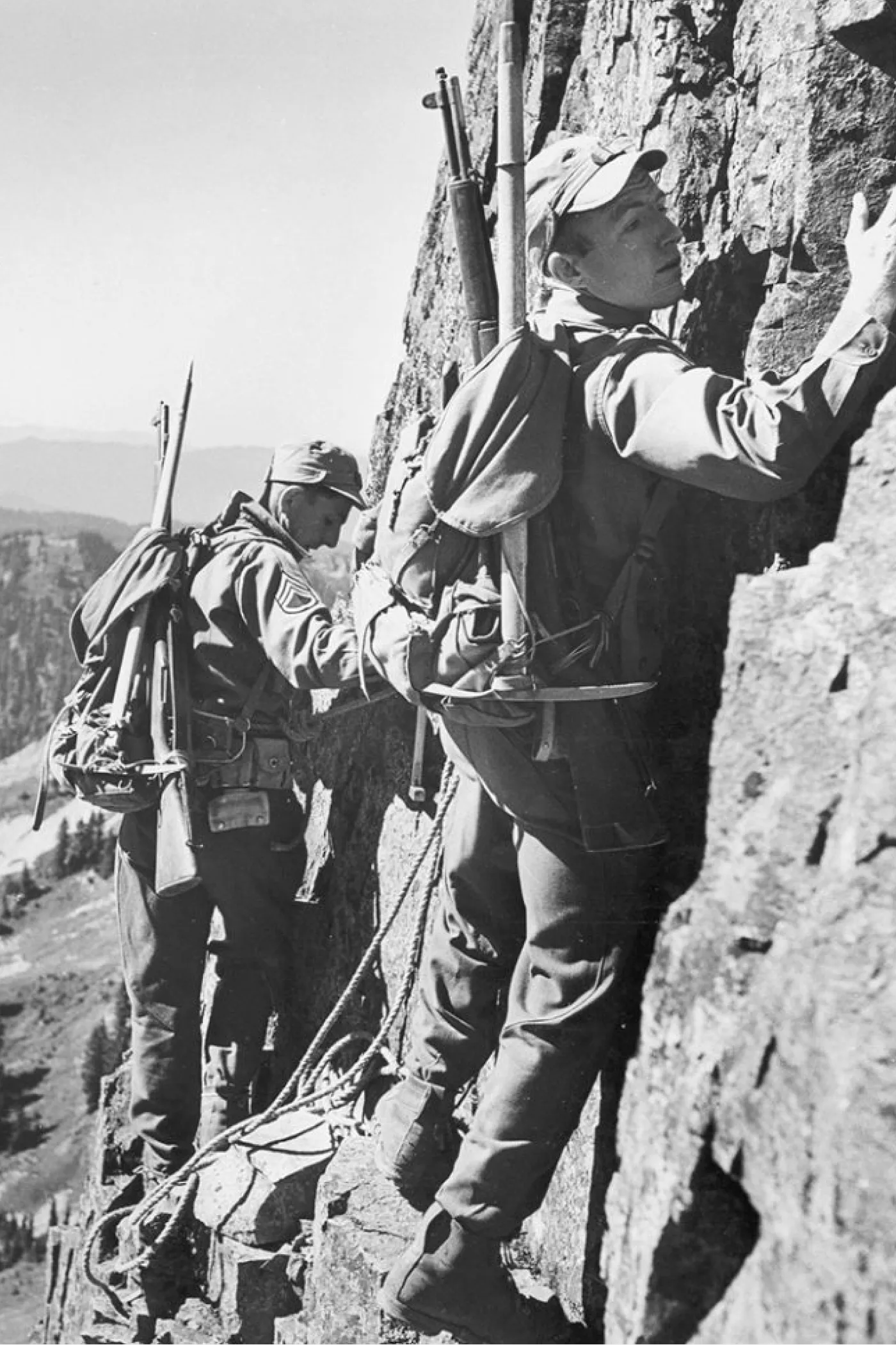
Climbing rope has enabled people to climb mountainsfor many years. In the 19th century, this was reservedfor a select number of wealthy individuals, mainlyBritish people who climbed in the Alps. The rope wasone of the most important pieces of equipment forclimbers. Just like today, the rope was used as a lifeline.However, the rope used at that time was less reliablethan today’s rope. After the Second World War, nylonwas invented. This was an important innovation, as itenabled countries such as Germany and the UnitedStates to climb and control inhospitable terrain.
In the modern economy, rope access (working on ropes)results in enormous cost savings. It is much cheaper fora window cleaner, tree surgeon or construction workerto hang from a rope or secure themselves with a ropethan to have scaffolding erected for the job. This has ledto a huge reduction in maintenance costs, for example.
There are a number of companies/artists who alsouse the same type of rope as a material to work with.In America, for example, there is a small company(Quantum) run by one person, who makes items suchas belts and dog collars from old rope. These are mainlyfunctional items. In addition, there is the Dutch artistBertjan Pot, who uses a lot of rope in his work. Forexample, he makes rugs and masks out of it and uses itextensively in his installation designs.
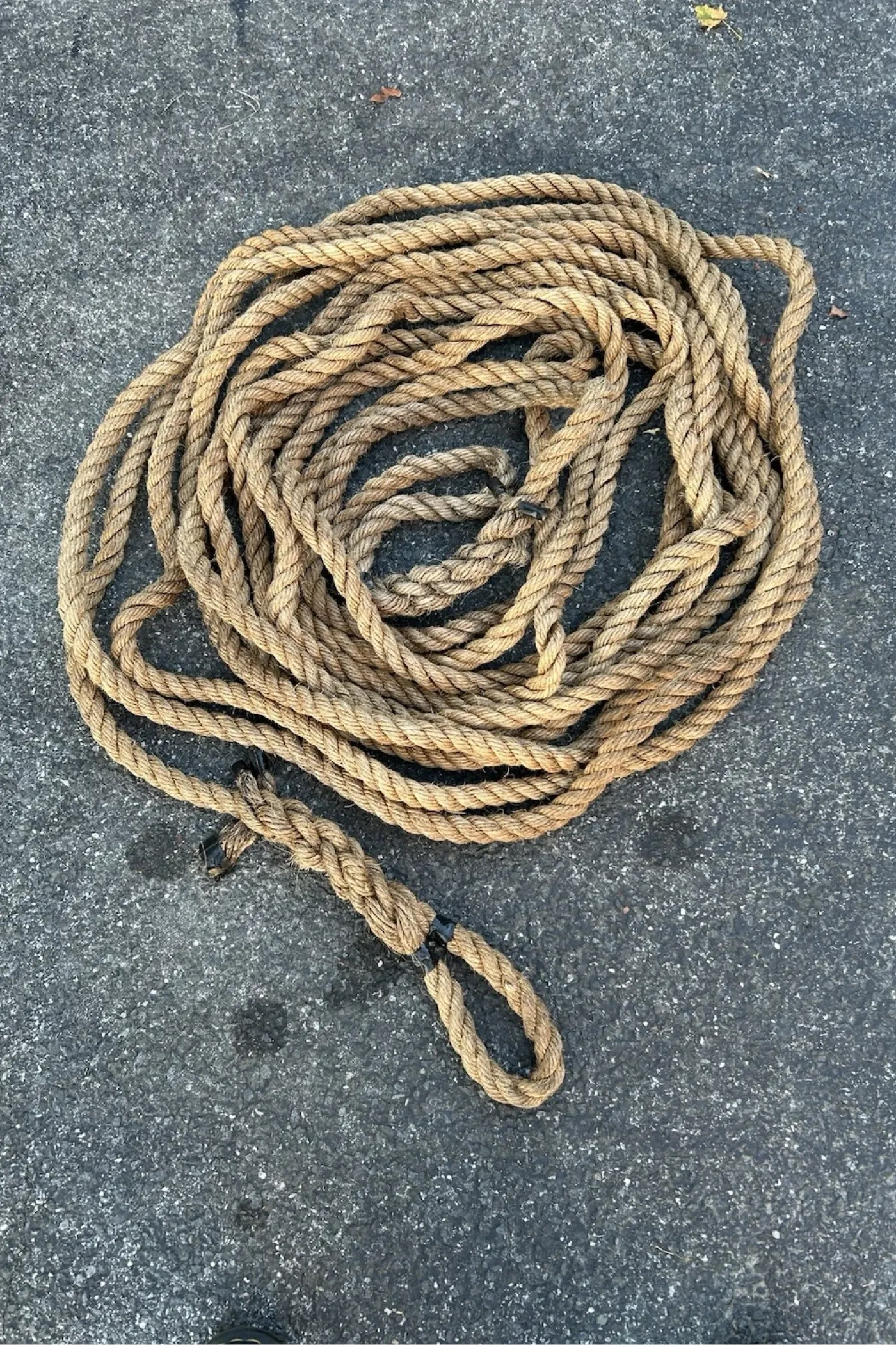
The rope I use myself is a bundle of rejected climbingrope. Dutch climbing centres and climbing clubs arerequired by law to have their ropes inspected at leastonce a year. This must be done by a certified person,who checks whether it is still safe to climb with thisrope. When a bundle of rope is rejected, many climbingcentres keep it or use it as decoration in their canteen,for example. Because I thought it would be a shameto throw away rope that I could use, I approached aclimbing centre in Breda, and they gave me this bundleof rope.